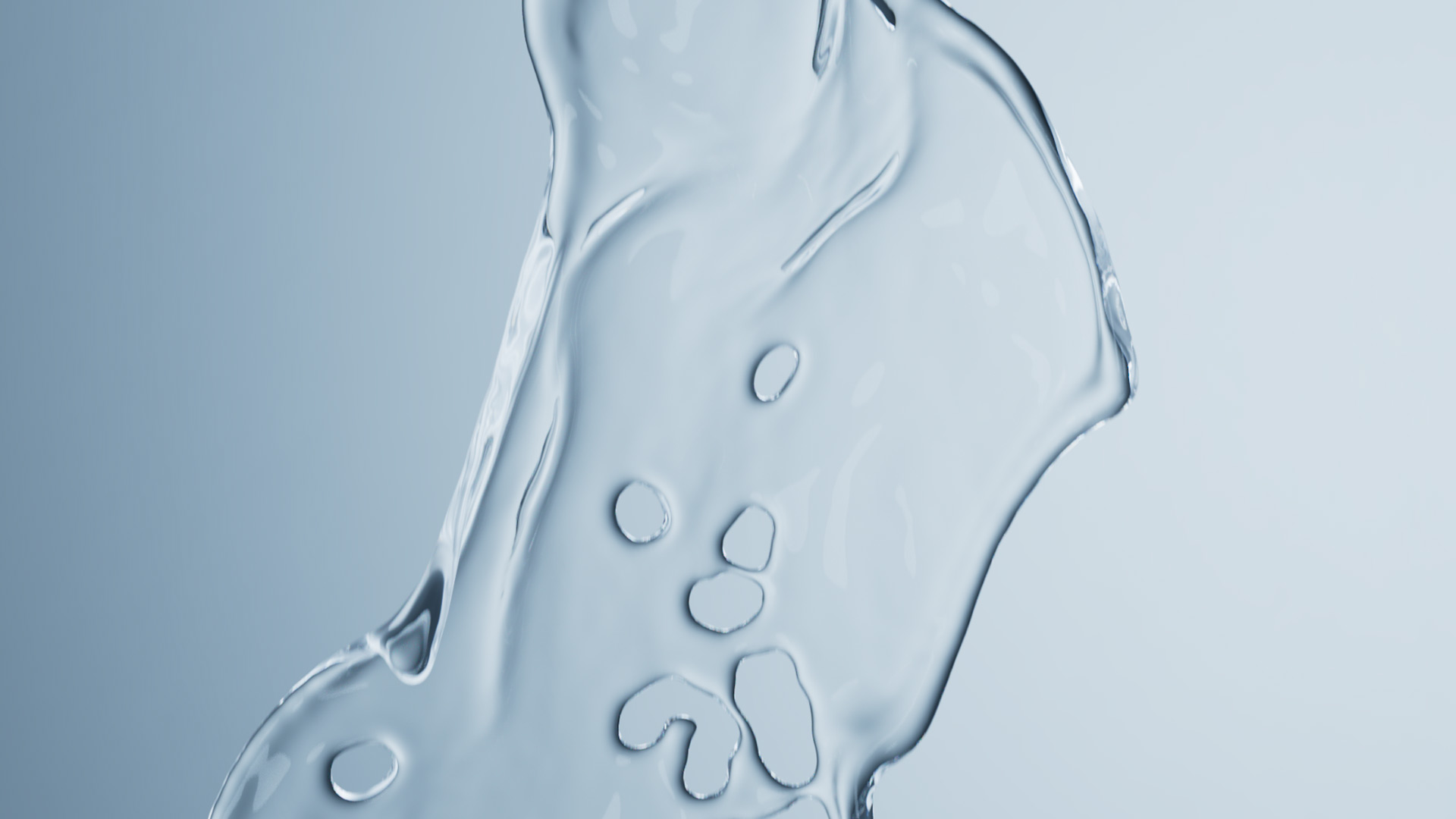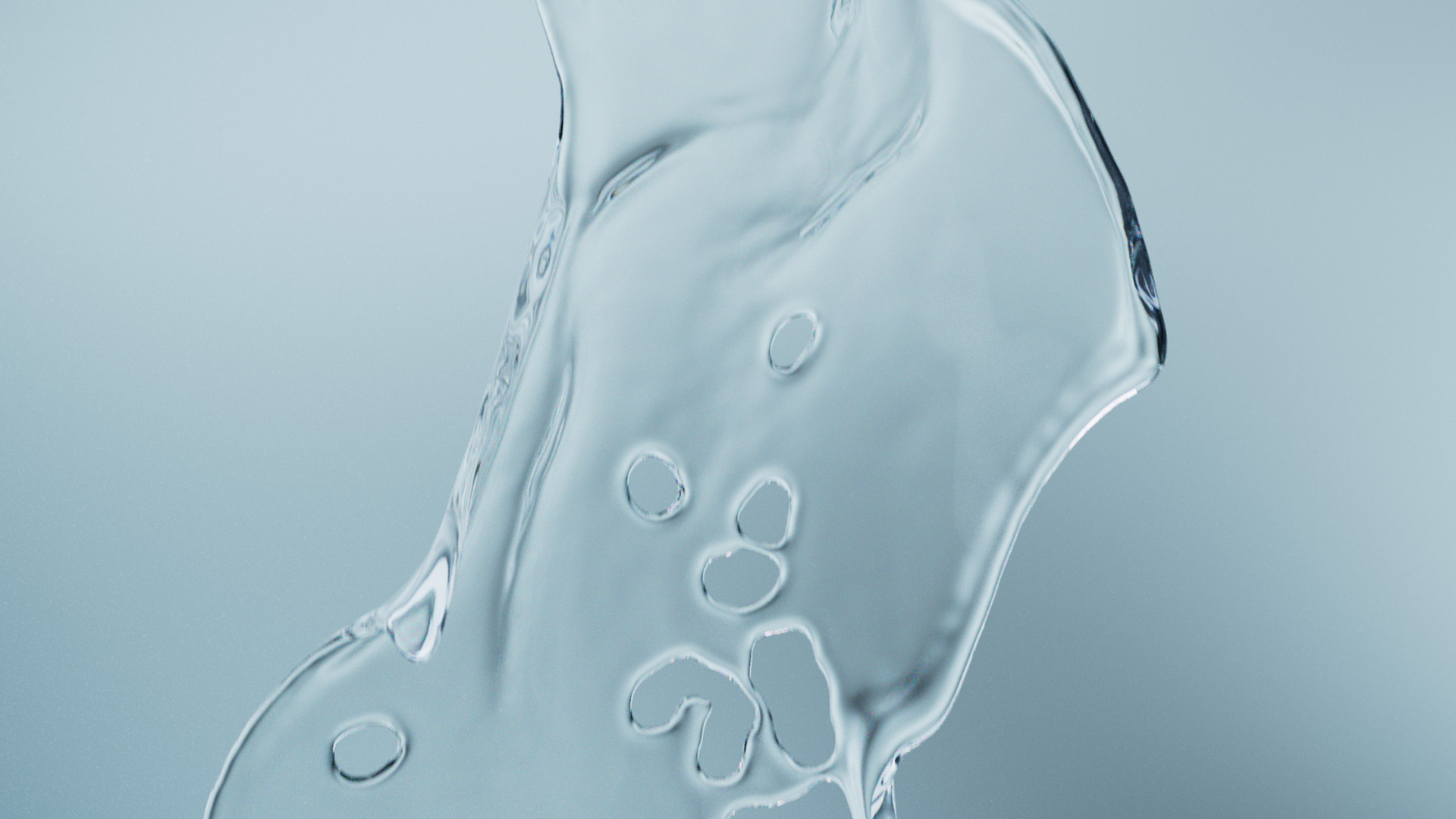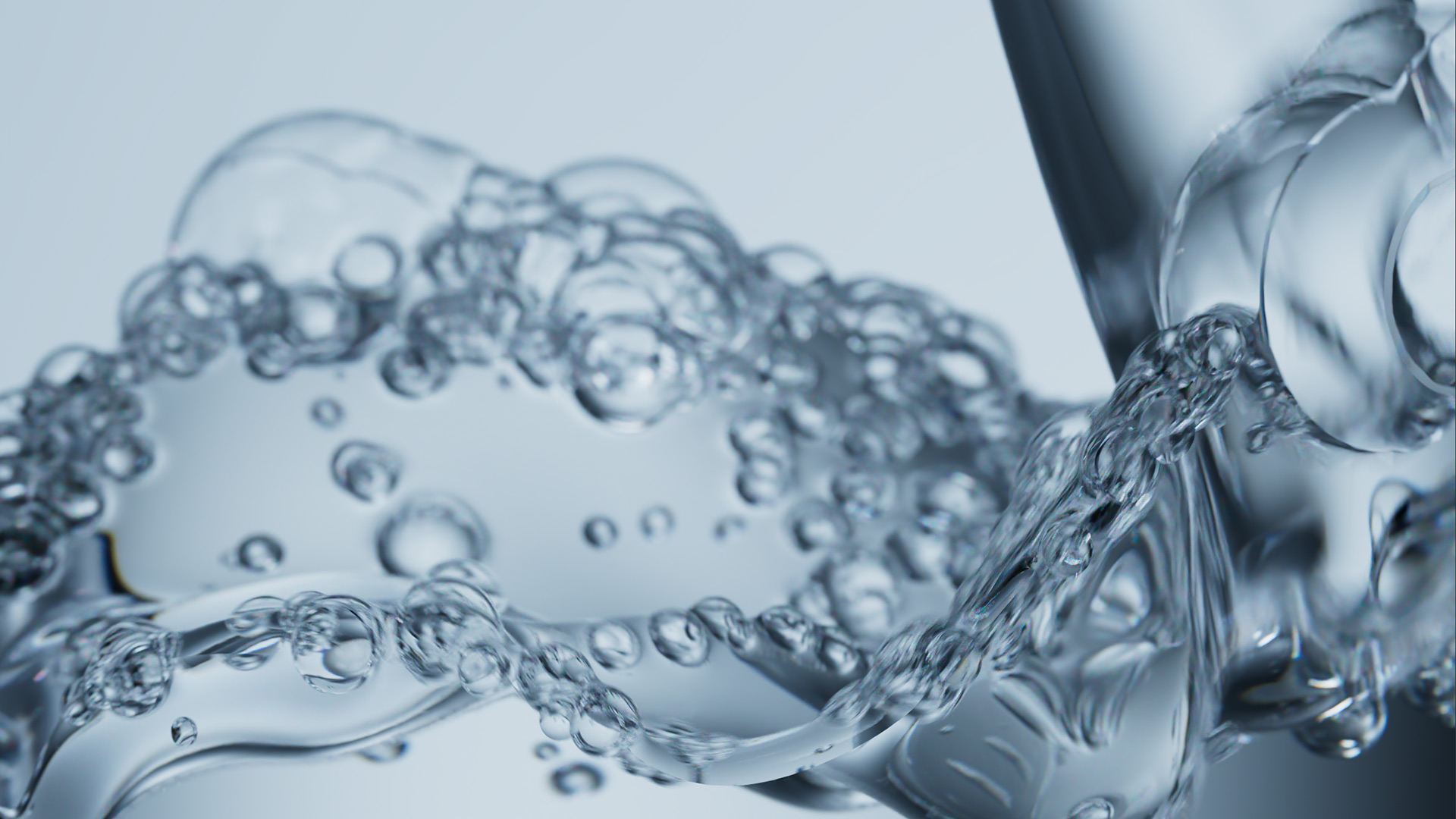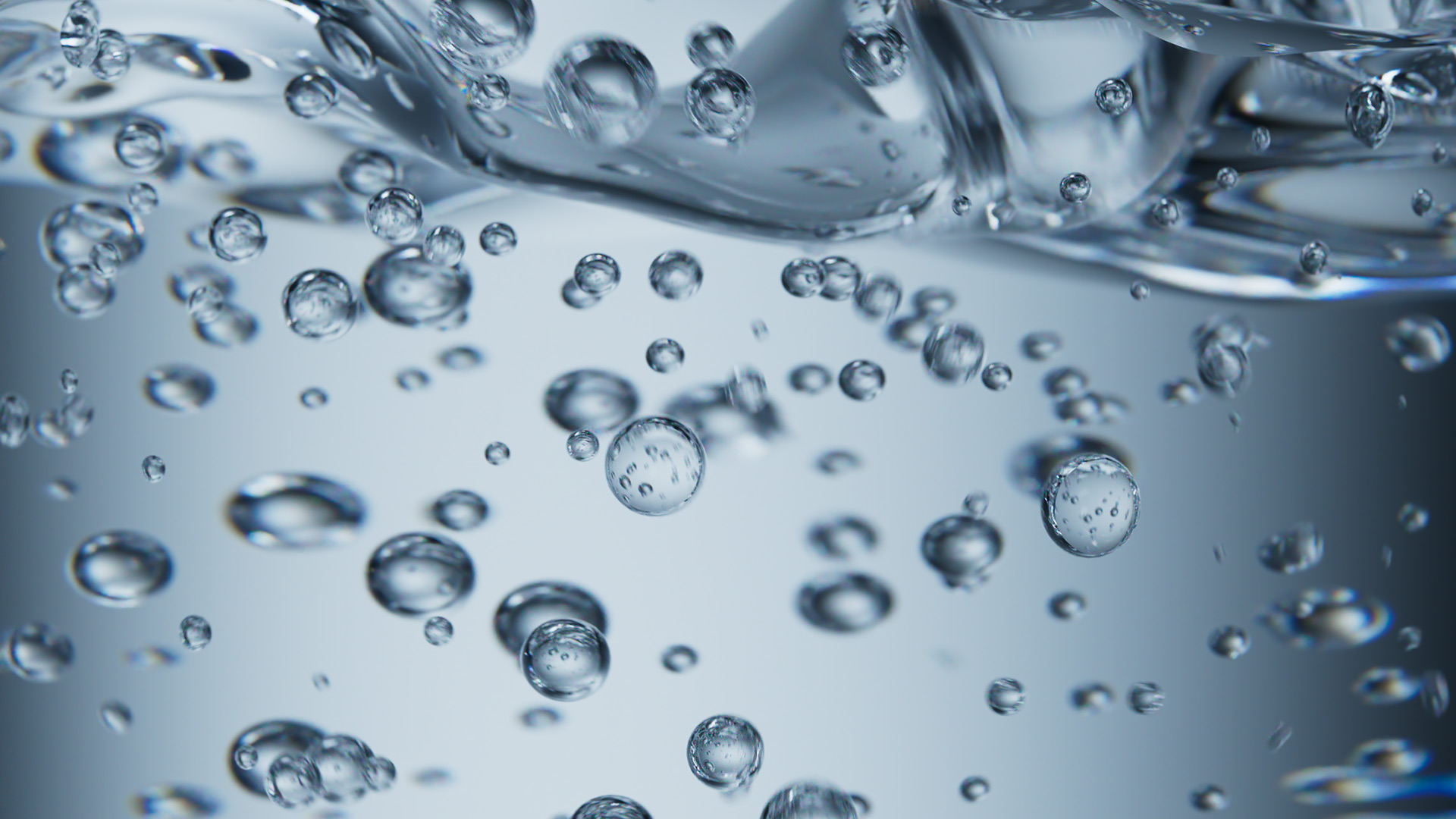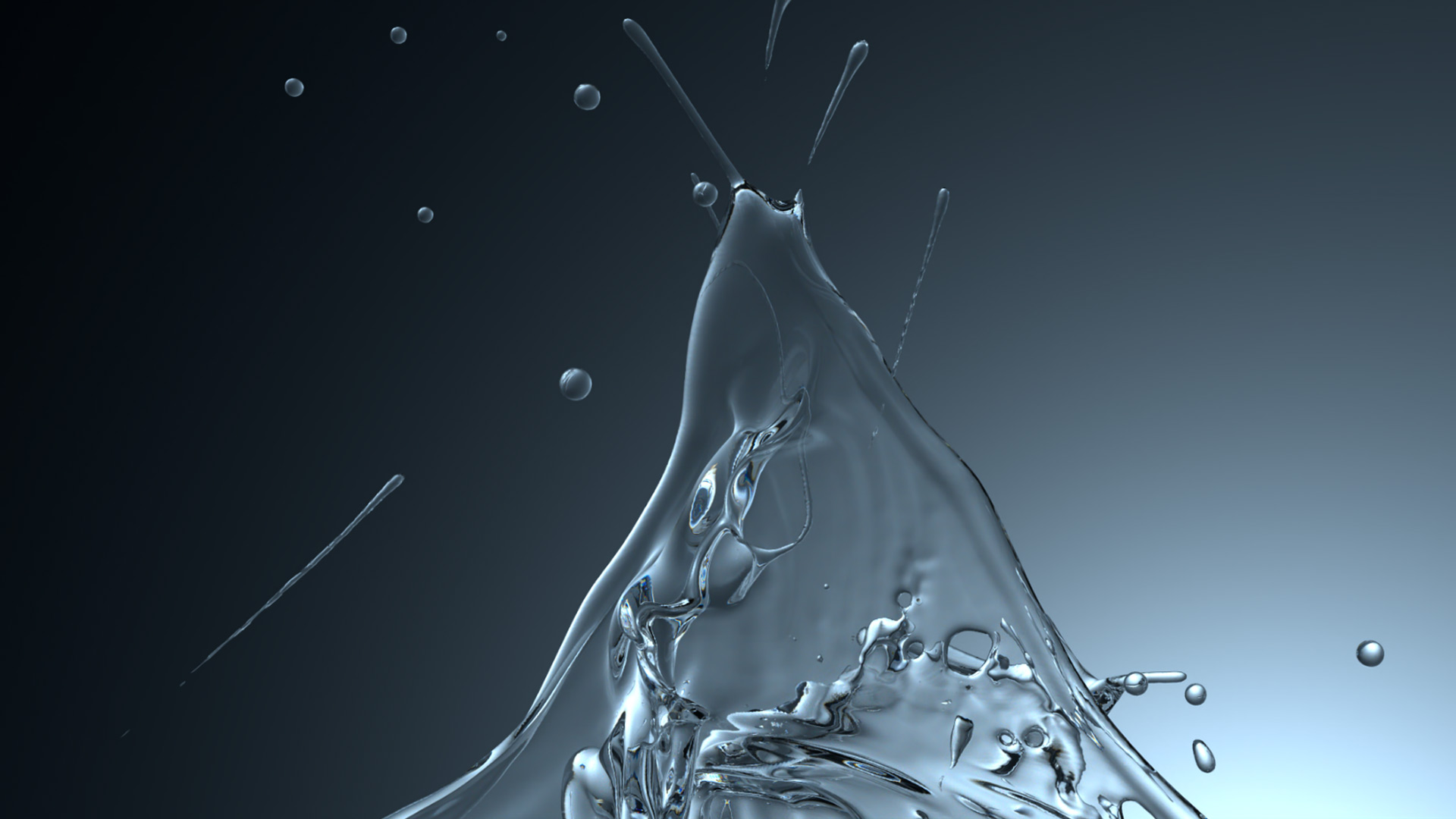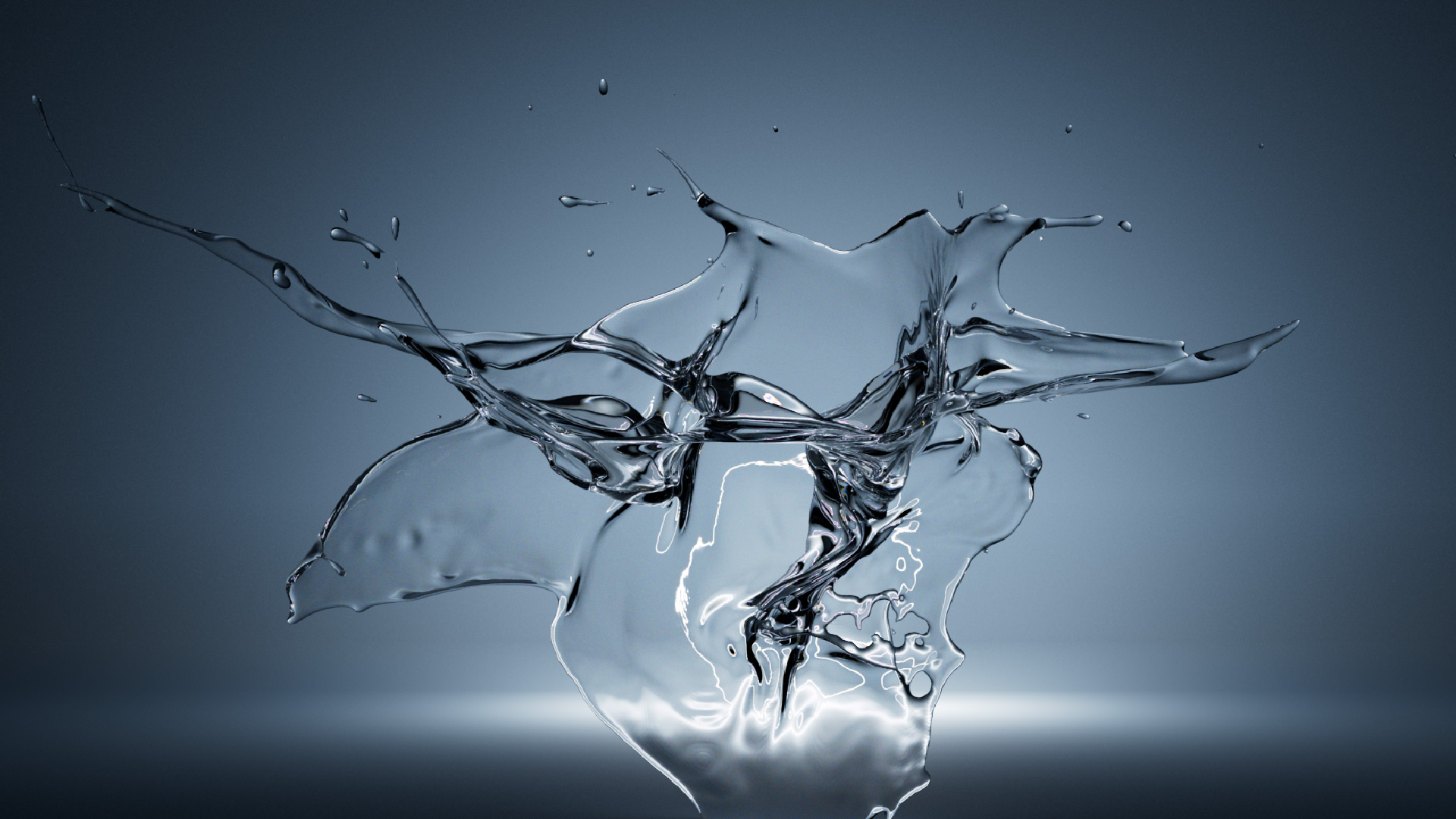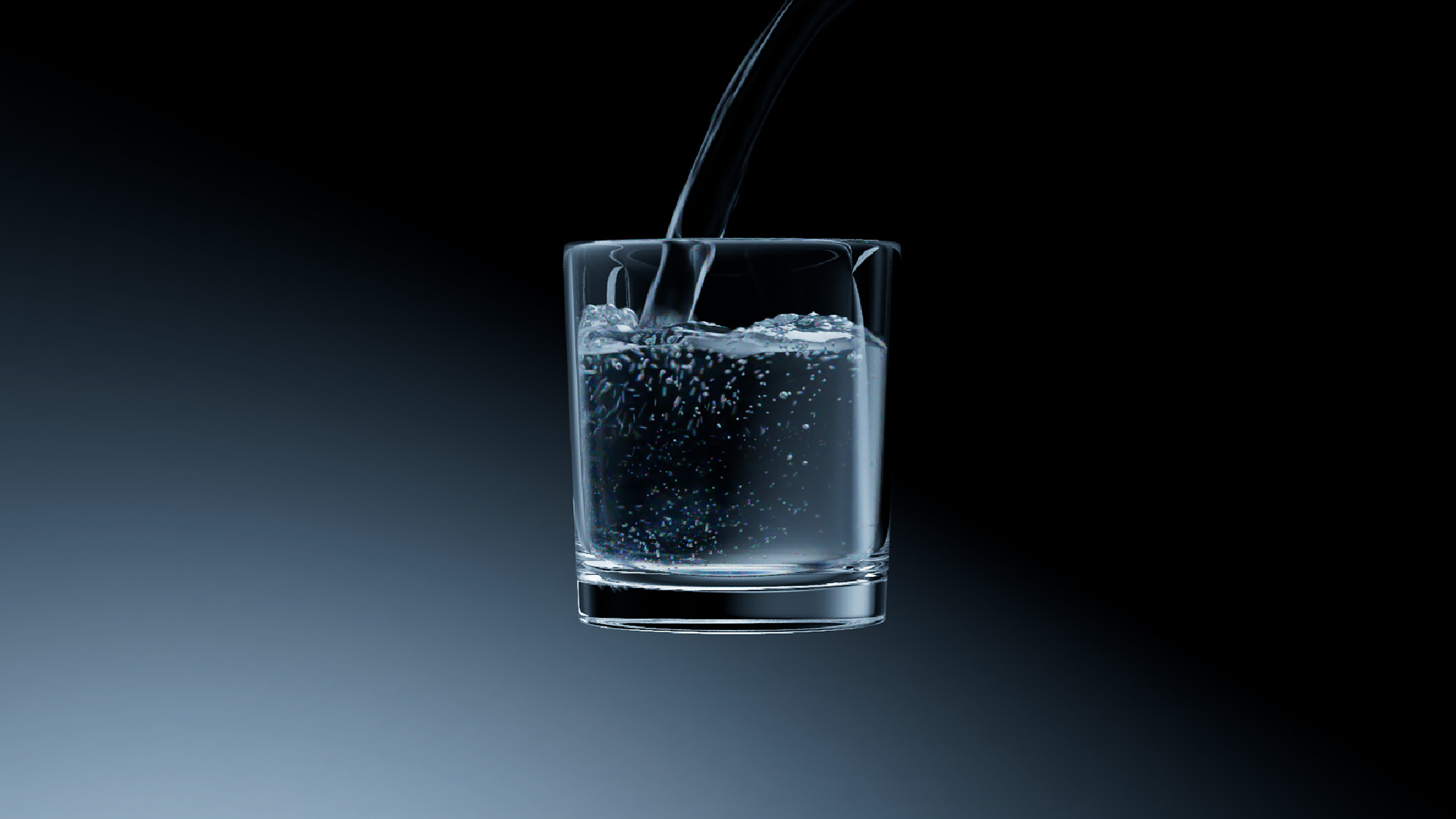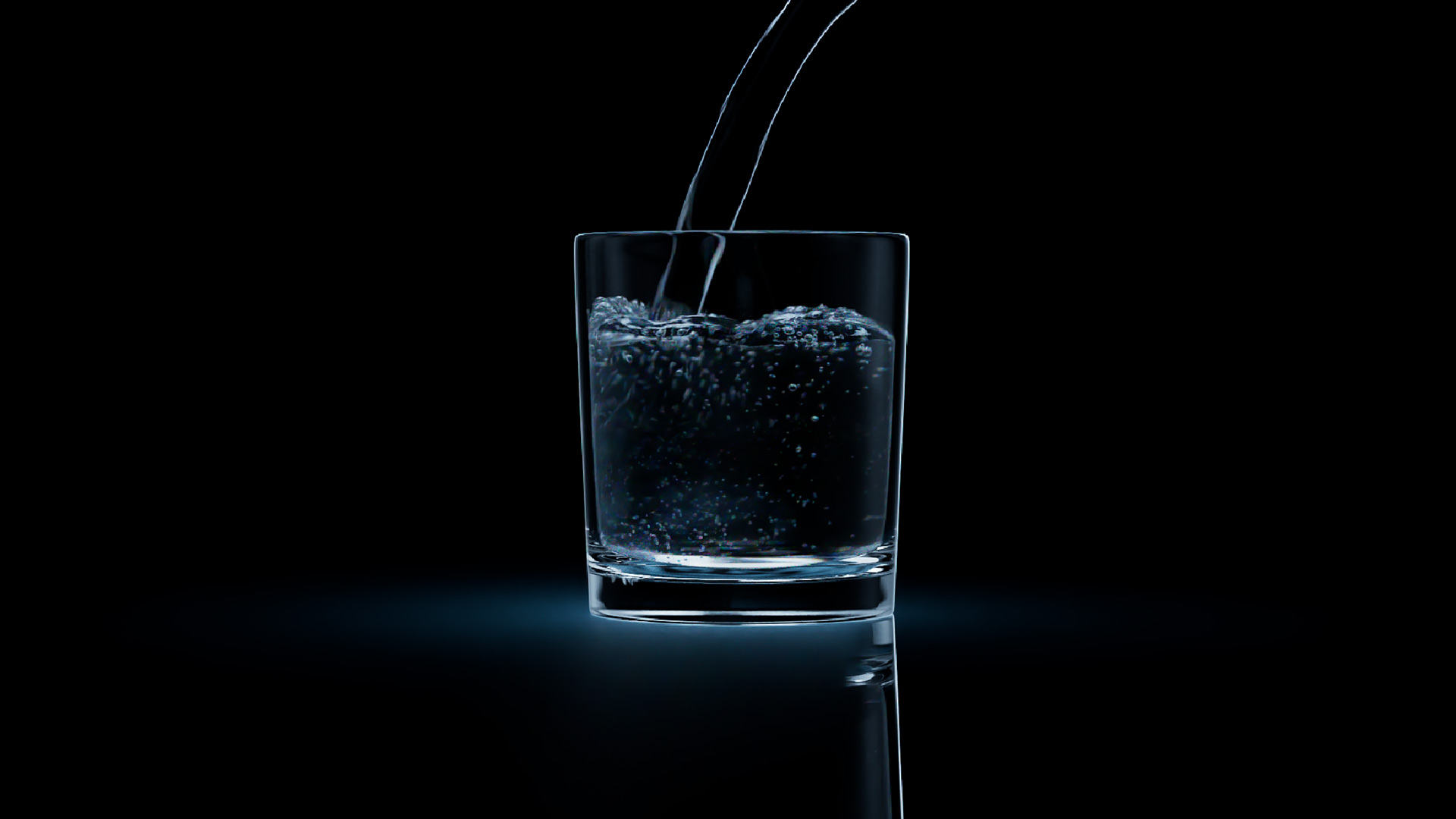
A fully CG awareness clip about water — built from scratch in Houdini. No facts. No statistics. Pure fluid aesthetics.
Type
3D Awareness Clip
Role
Solo
Software
Houdini · Redshift · After Effects
Context
M.A. Screen Arts · 2026
01 · Introduction
"HYDOR" is a fully computer-generated awareness clip about our most valuable resource – water. Created as a solo project, it uses abstract fluid imagery to draw attention to something we take for granted every day. Without facts or statistics, the film relies purely on visual aesthetics to spark reflection.
The project was built entirely in SideFX Houdini – a software that was self-taught from scratch specifically for this production. Every step from simulation to rendering was executed within Houdini using Redshift. Compositing and color grading was handled in After Effects.
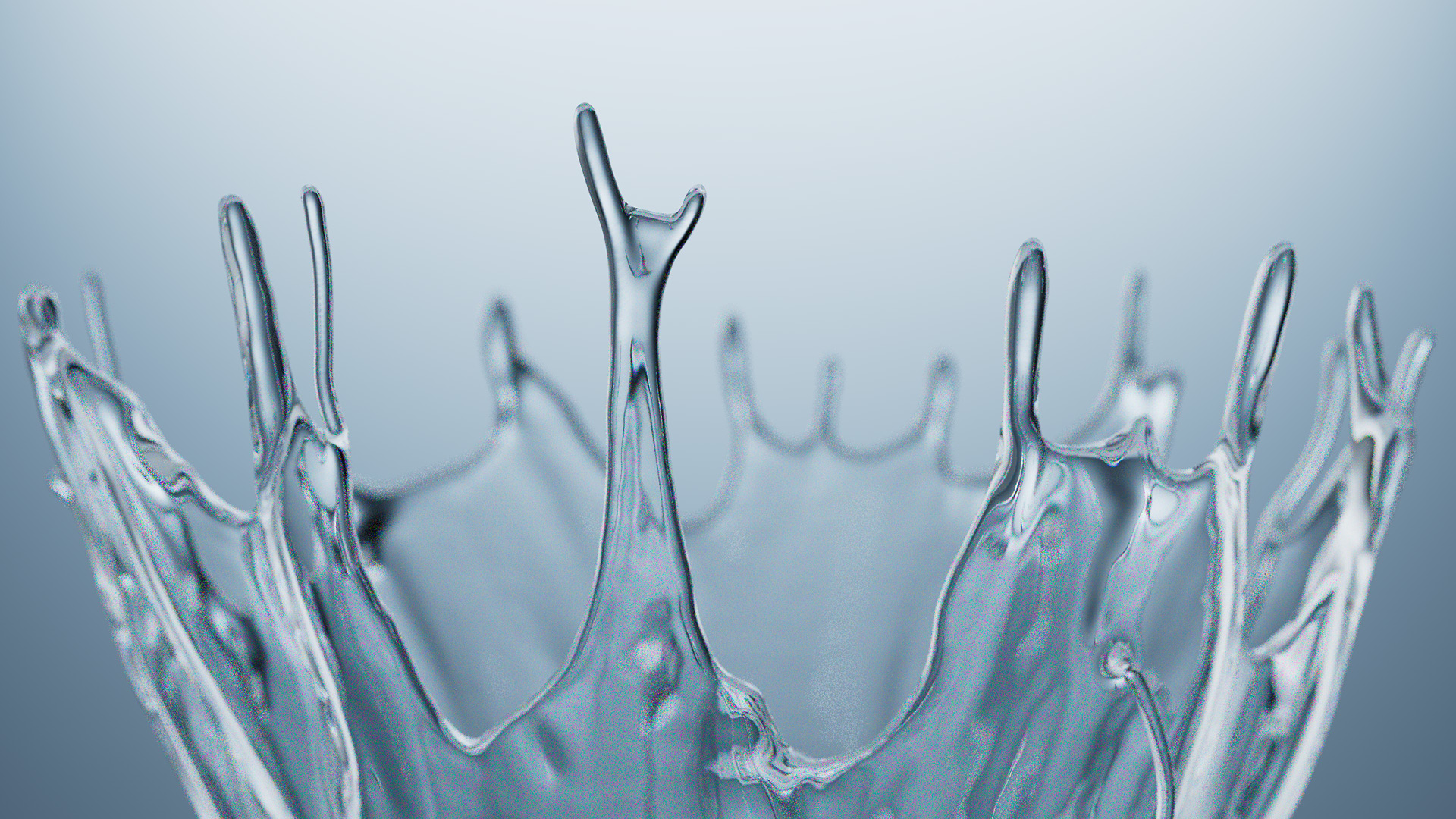
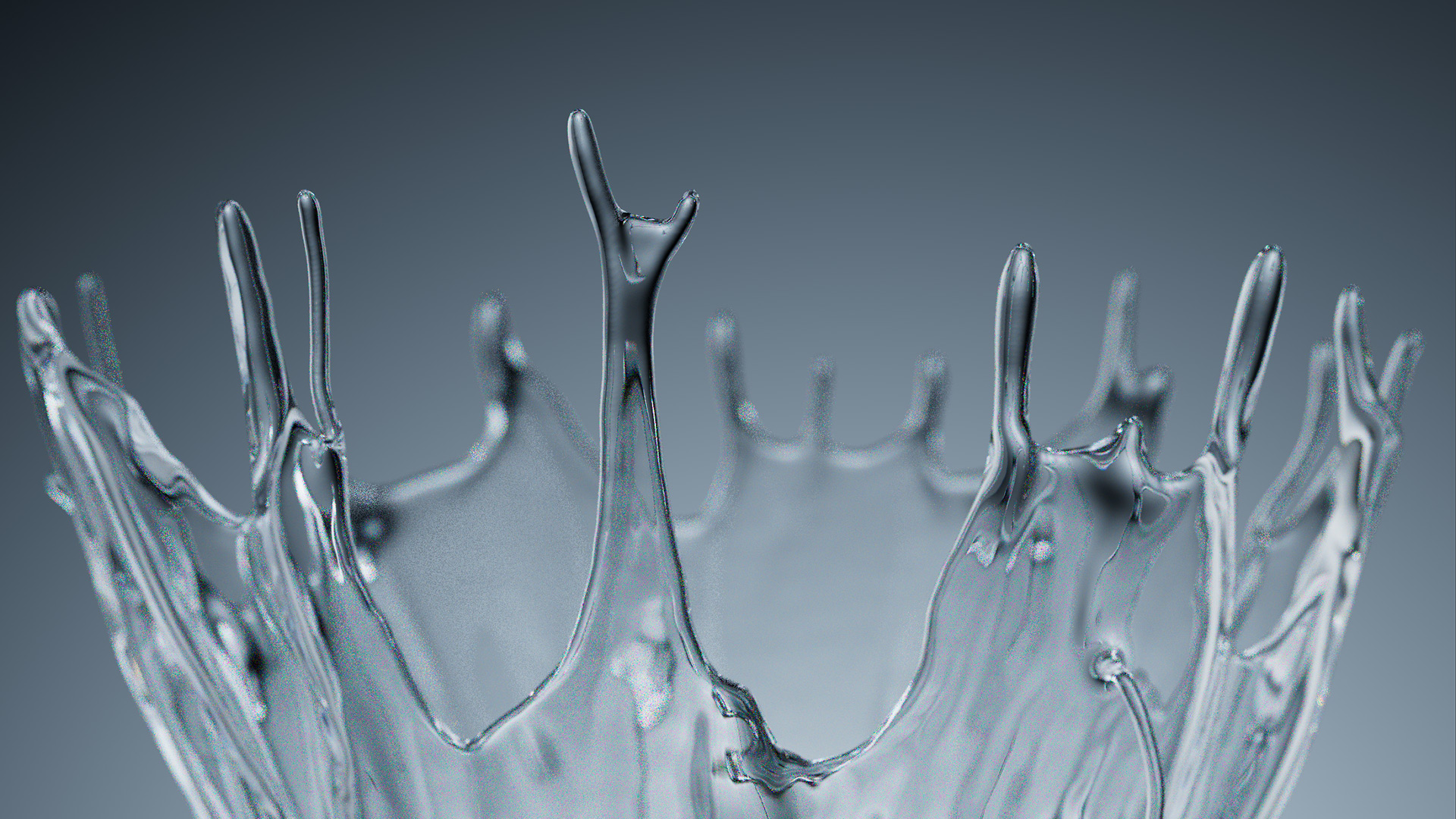
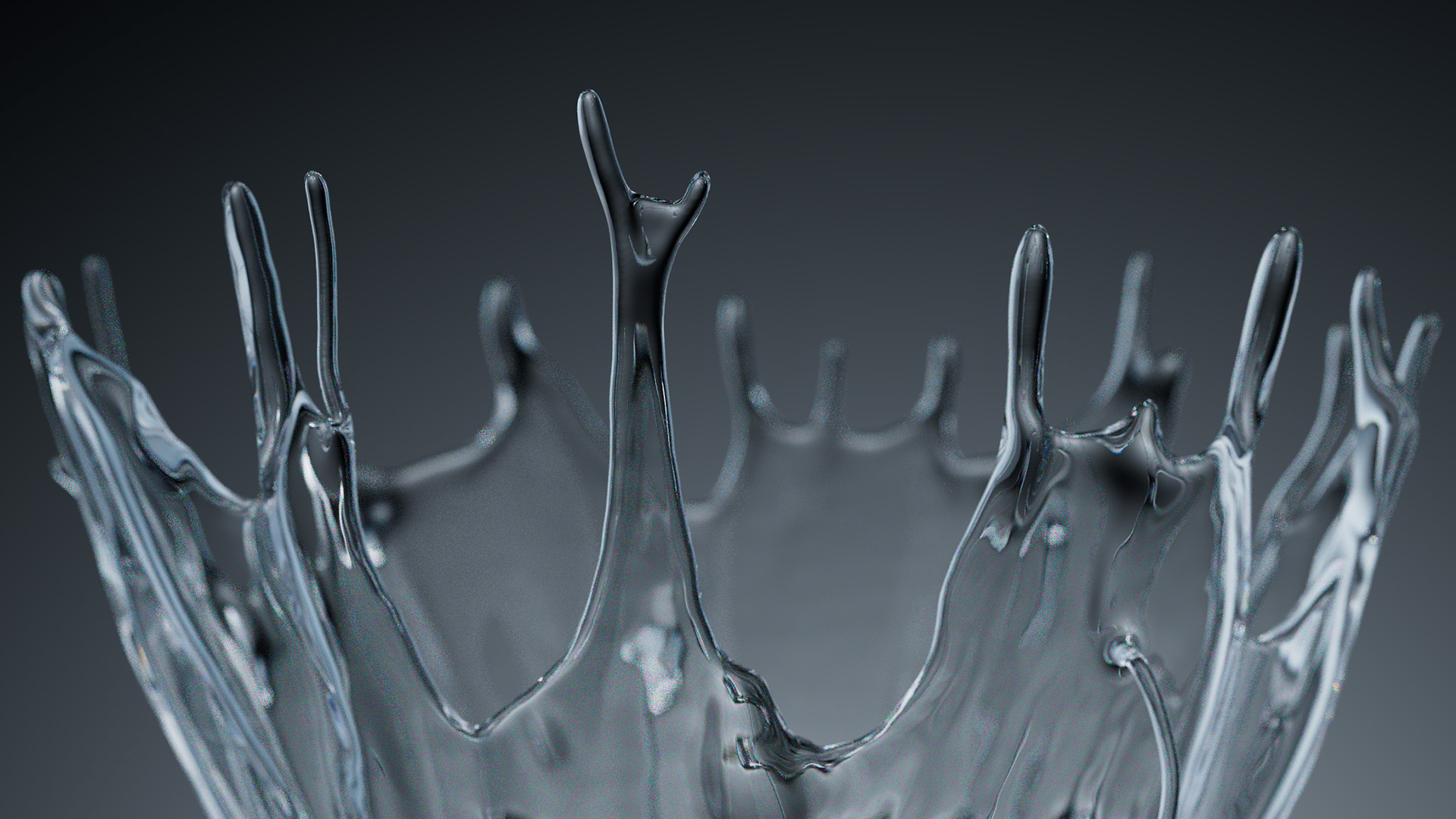
02 · Styleframes
03 · Concept
HYDOR was designed as an artistic statement for a conscious relationship with water. The idea: use the visual language of high-end product advertising – but instead of selling something, create a visual impulse that sparks reflection.
The film plays with contrast. Above the surface, water is celebrated in spectacular slow-motion shots – splashes, collisions, fluid dynamics in their most aesthetic form. Below, contamination slowly takes over. Clean and dirty water mix, the balance shifts, and what started as beauty gradually reveals its fragility.
The narrative builds towards a simple but uncomfortable truth: clean water is not a given. No voiceover, no statistics, no explanation. Just water – and the question of how we treat it.

04 · Process
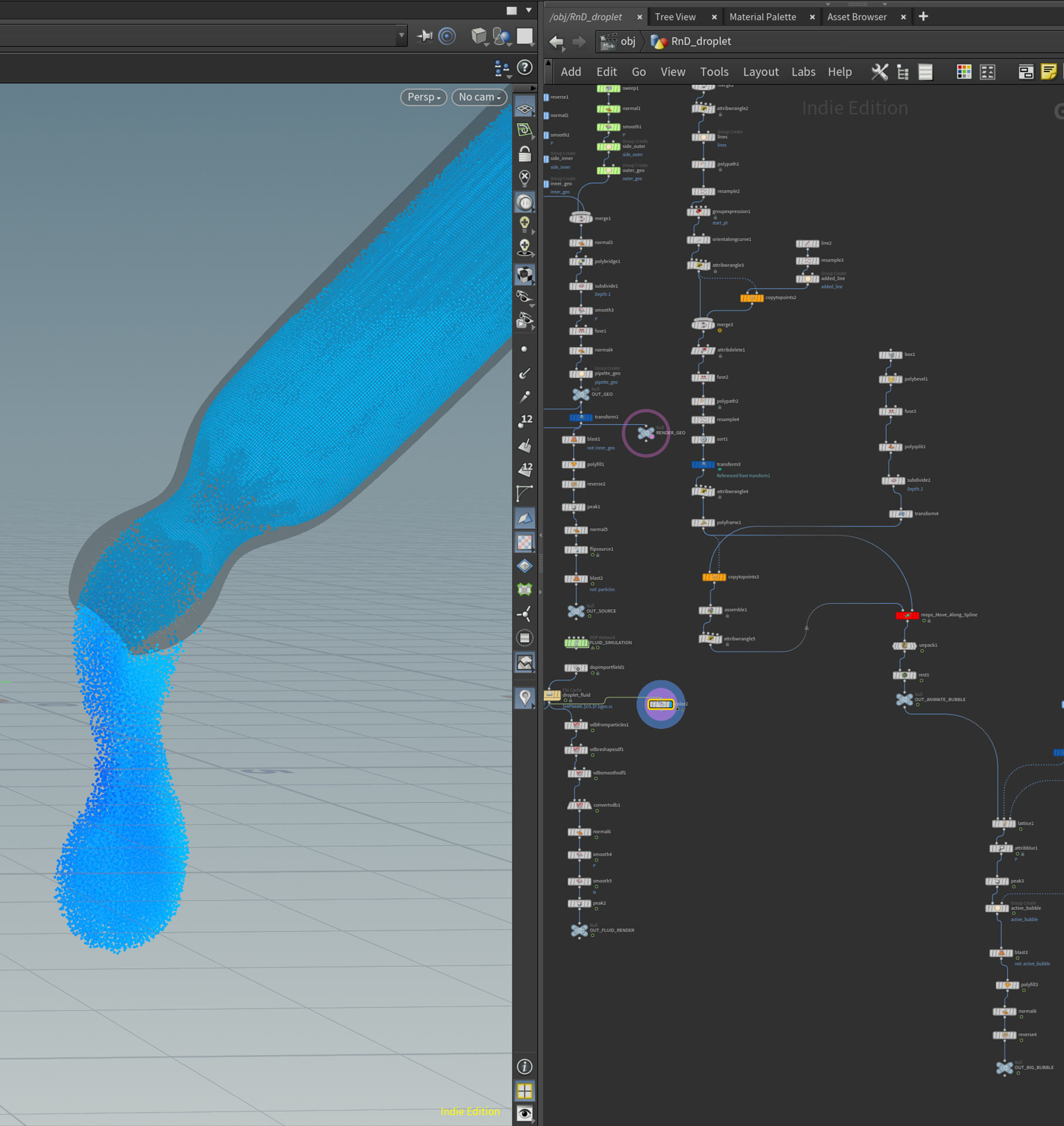
Houdini was completely new territory. Before any production work could begin, the software had to be learned from scratch. A structured tutorial series by Jonathan Lavanant provided the initial foundation – covering core Houdini concepts and the FLIP solver workflow. From there, test projects and online forums filled in the gaps. Early experiments focused on meshing workflows and render optimization.
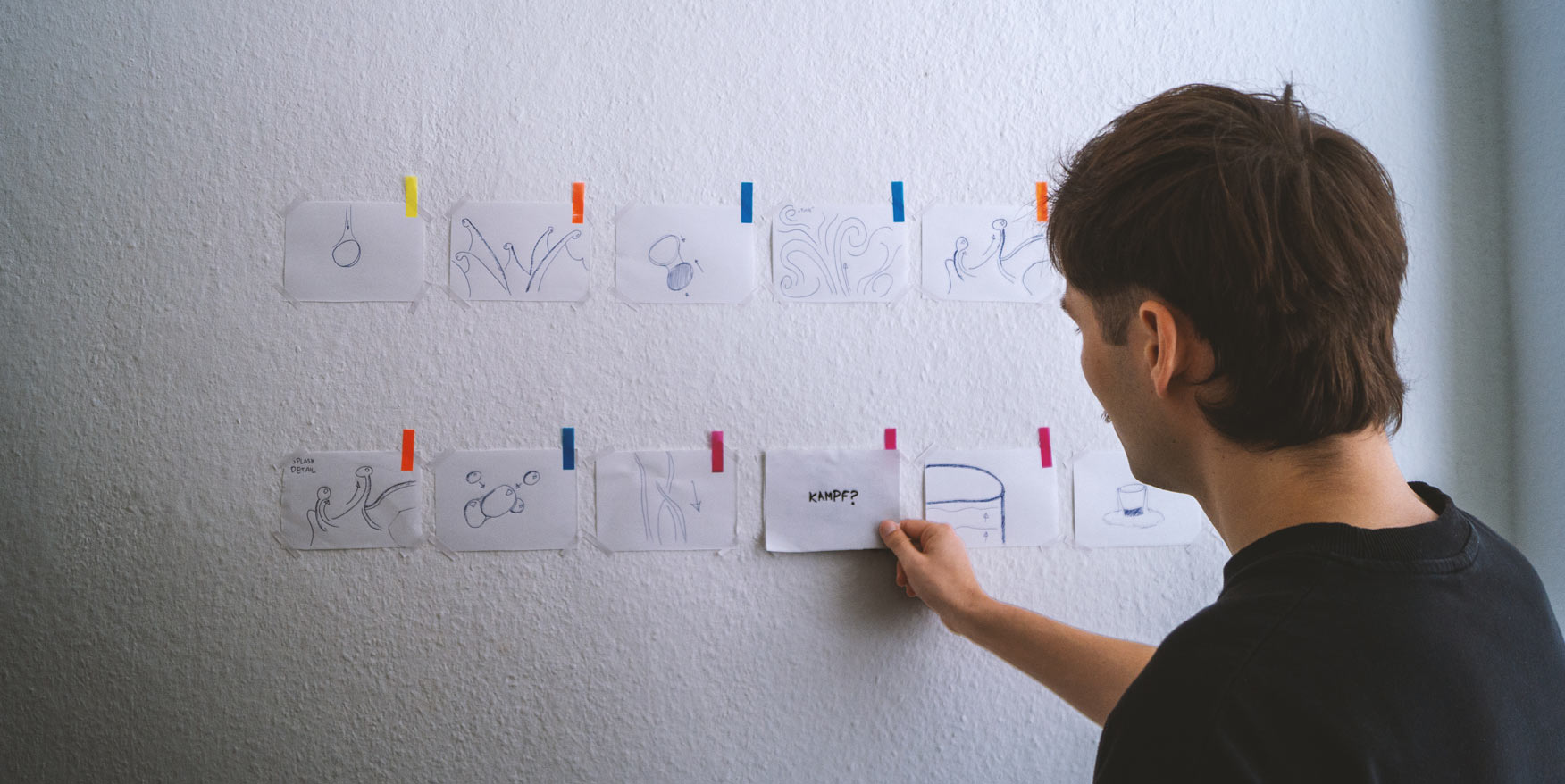
These technical studies ran parallel to the creative concept – each new discovery shaped what was possible, and each new idea was immediately tested for feasibility. During this phase, the production pipeline was also reduced from seven applications down to four: Houdini and Redshift for production, After Effects for compositing and color grading, Premiere Pro for sound design and final export.
Simulation
All fluid simulations were created using Houdini's FLIP solver. Each shot required its own setup: defining emitters, placing collision objects, configuring forces and physical parameters, then computing the simulation frame by frame.
Two recurring technical challenges shaped the process. Volume loss – where particles sharing the same voxel are deleted by the solver – caused water to disappear, especially in thin streams and glass-filling shots. This required careful tuning of particle separation and grid scale.
Reseeding posed a different problem: while it helps maintain simulation quality by spawning and despawning particles, it breaks particle IDs – which were needed to drive the bubble system. The solution combined techniques that compared each frame's particle data against the initial frame to preserve consistent IDs throughout the simulation.
Achieving realistic slow-motion added another layer of complexity – adjusting substeps, timescale or frame counts always required rebalancing forces to maintain believable physics. Particle attributes like vorticity were used creatively: high-vorticity particles were grouped, assigned lower density and rose to the surface – later becoming air bubbles.
Meshing
To turn millions of particles into renderable geometry, a VDB-based meshing approach was used. Particle data was converted into a volumetric grid, smoothed, then transformed into polygon surfaces.
Careful tuning of smoothing parameters and voxel sizes was essential to avoid flickering artifacts between frames.
Shading & Lighting
All materials were physically based (PBR). Six materials were created in total: glass, dirt particles, clean water, dirty water, air bubbles and ground. For shots where clean and dirty water mix, a material blending system was built – each surface point received a value between 0 and 1, controlling the blend between both materials.
Lighting was handled in two ways depending on the shot. Studio HDRIs provided clean, controlled illumination for shots requiring soft, even light without unwanted reflections in the transparent materials. For other shots, custom light rigs were built using curved background planes combined with direct lights to sculpt the water's surface. Since most materials were colorless and transparent, color was driven almost entirely through light. Consistent color per scene reduced the need for extensive color grading later.
Rendering
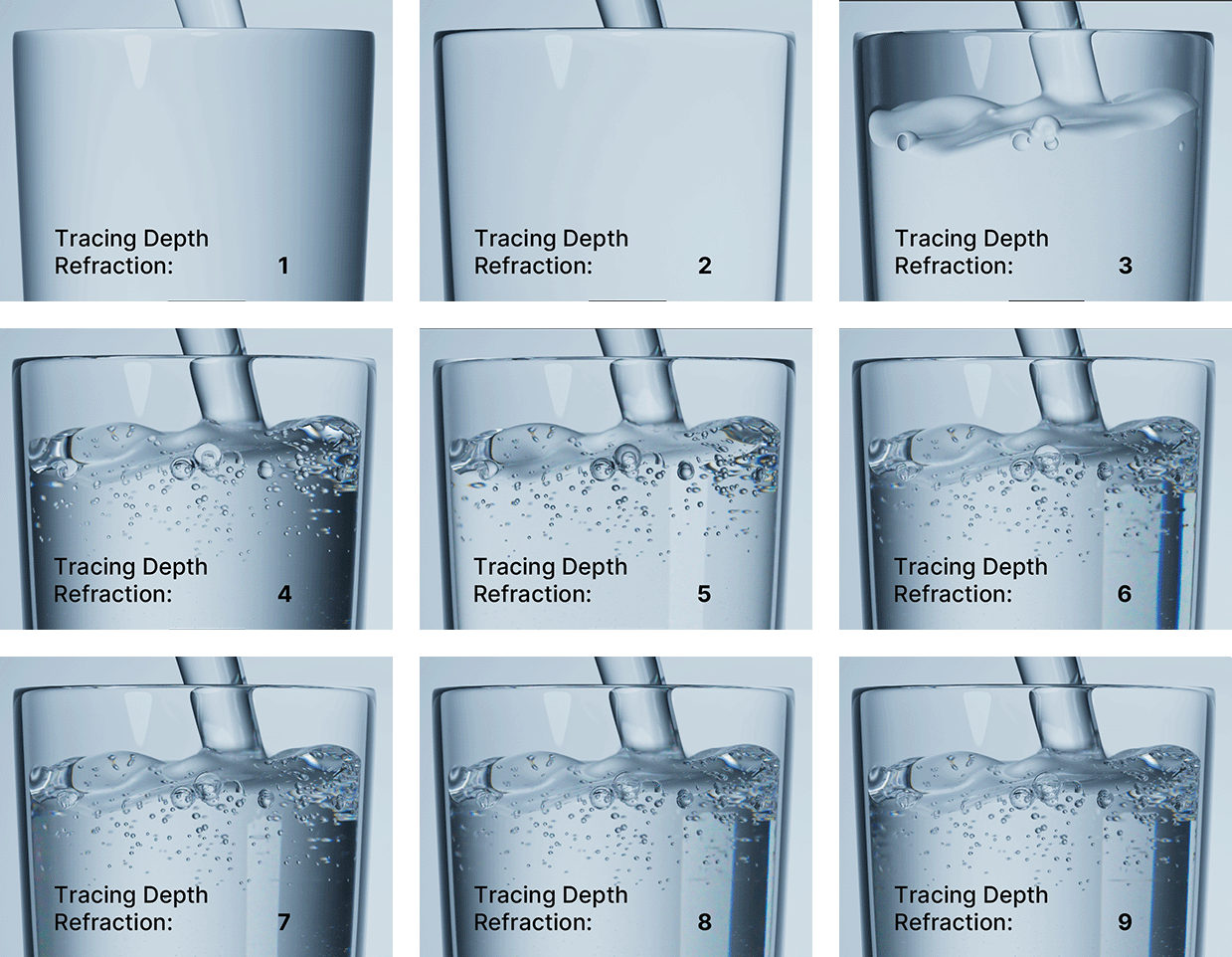
Redshift was used as the render engine. Renders were executed in nightly 10-hour blocks, with a strict time budget per shot dictating the maximum render time per frame. When frames exceeded the budget, quality settings were adjusted – lowering sample counts, increasing denoising or reducing ray tracing depth.
Adaptive sampling allocated more computation to noisy areas while saving time on clean regions. Motion blur and depth of field were calculated directly in the renderer rather than in compositing, following an "in-camera" approach that prioritized efficiency over post-production flexibility. Final output was in ACEScg color space.
Compositing & Export
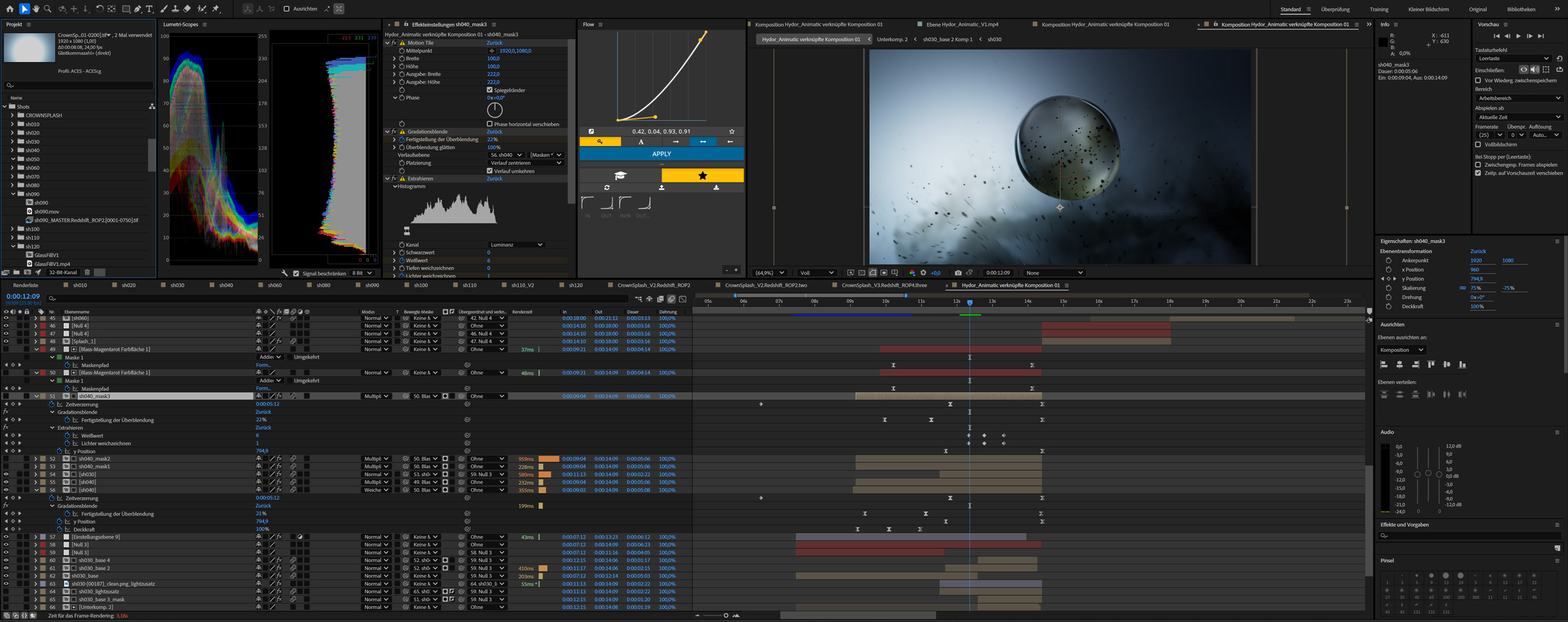
Compositing was handled in After Effects. Sequences were assembled based on the original animatic, with subtle lens effects added — chromatic aberration, lens distortion, and film grain. The 32-bit pipeline allowed non-destructive exposure adjustments throughout, with speed ramps built from overproduced handle frames.
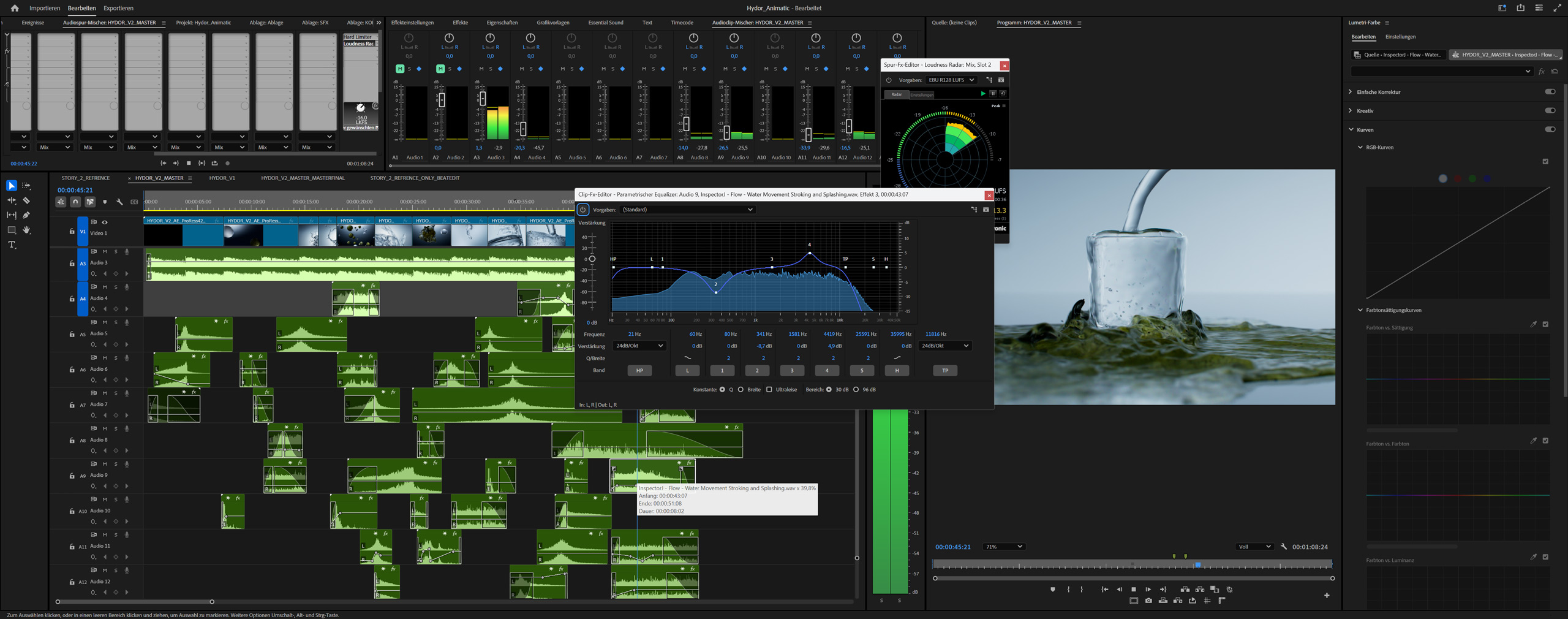
Sound design and the final export were handled in Premiere Pro. The audio mix was assembled and balanced there before the film was rendered out for delivery.
Research & Development
Tools
Solo project — concept, simulation, shading, lighting, rendering, compositing, colour grading, sound design.
Master's degree in Screen Arts / Creative Media Conception · Hochschule RheinMain · 2026.